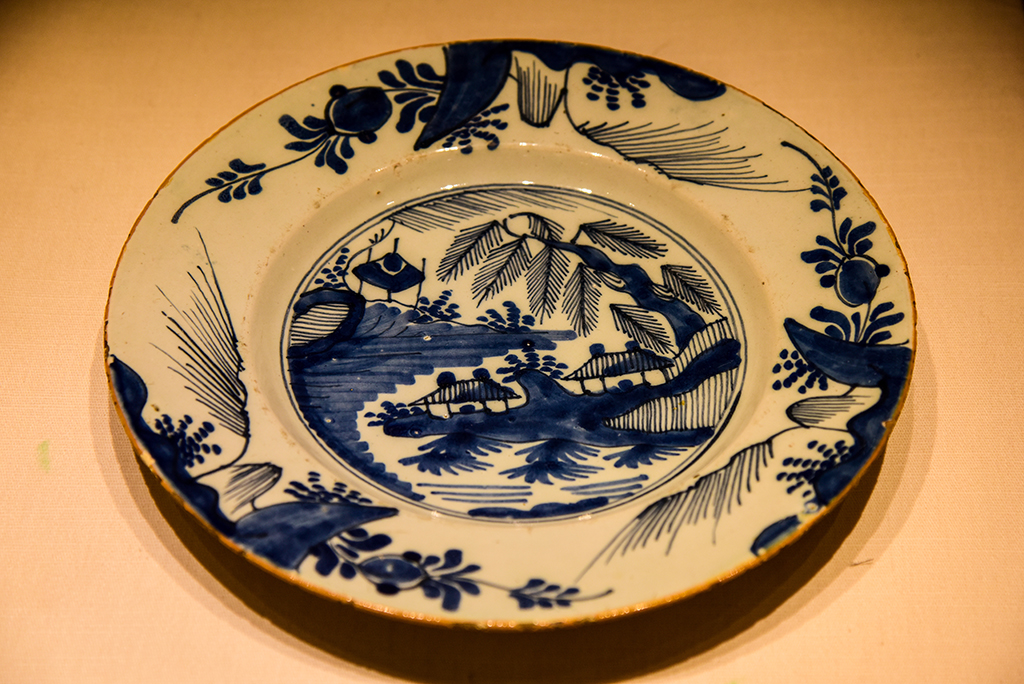
Chinese Porcelain
Introduction
Chinese porcelain, often celebrated as one of the most exquisite forms of ceramic art, is deeply rooted in China's rich historical and cultural tapestry. It is esteemed for its unique characteristics, including its delicate translucency, refined texture, and intricate design. Originating from China, this art has been cherished worldwide and has significantly influenced ceramic production globally.
Historical Background
The history of Chinese porcelain dates back to the Tang Dynasty (618–907 AD), though earlier forms of proto-porcelain existed as early as the Shang Dynasty (c.16th century-11th century BC). It was during the Tang Dynasty that porcelain began to be exported to other parts of Asia and Africa and eventually reached Europe by the 14th century, primarily through the Silk Road. The production of porcelain flourished during the Song (960–1279), Yuan (1271-1368) and Ming (1368–1644) dynasties, with Jingdezhen in Jiangxi province becoming the most famous center for porcelain manufacturing.
Characteristics and Techniques
Chinese porcelain is distinguished by several key features. One of its primary characteristics is its composition, which includes kaolin and petuntse, giving it its remarkable strength and translucency. The traditional palette of Chinese porcelain is based on five colors: red, yellow, green, blue, and purple, all of which are used to create vivid and elaborate designs. The production process involves multiple firing stages, allowing for both underglaze and overglaze decoration techniques. Renowned styles include blue-and-white porcelain, which flourished during the Yuan and Ming dynasties, and famille rose, which developed during the Qing Dynasty (1644–1911).
Cultural Significance
Porcelain holds substantial cultural significance in China. It was often regarded as a symbol of wealth and status and was used in various cultural and religious ceremonies. Moreover, porcelain pieces often featured motifs and symbols important in Chinese culture, such as dragons, phoenixes, and lotus flowers, reflecting the beliefs and aesthetics of the time. The global trade of Chinese porcelain also facilitated cultural exchanges between China and other regions, influencing both artistic and technical aspects of ceramic production worldwide.
Global Influence and Trade
The export of Chinese porcelain played a crucial role in cultural exchanges and economic interactions between China and the rest of the world. During the Ming and Qing dynasties, porcelain became one of China's key exports, highly coveted in Europe and the Middle East. European demand for Chinese porcelain led to the establishment of trade routes and significantly influenced European ceramic production, inspiring local craftsmen to imitate Chinese techniques and styles. The import of Chinese porcelain into the Ottoman Empire contributed to the development of local styles, such as Iznik ceramics, which were greatly influenced by Chinese blue-and-white porcelain.
Jingdezhen: The Porcelain Capital
Jingdezhen, located in Jiangxi province, is widely recognized as the "porcelain capital" of China due to its long-standing tradition of porcelain production. With a history dating back over a thousand years, Jingdezhen has been at the forefront of innovation in porcelain manufacturing. The city's kilns have produced a wide array of porcelain goods, ranging from imperial ware for the Chinese court to pieces designed explicitly for export. Today, Jingdezhen continues to be a hub for ceramic artistry, attracting artists and craftsmen who seek to preserve and innovate within the tradition of Chinese porcelain.
Porcelain Pillows
An intriguing aspect of Chinese porcelain is the porcelain pillow, which was used extensively during the Song Dynasty. These pillows were often elaborately decorated and served both functional and artistic purposes. They were used to maintain elaborate hairstyles and provide a cooling effect during the humid summer months. The most well-preserved porcelain pillows date back to the Song Dynasty, showcasing the period's craftsmanship and artistic sensibility.
Celadon Porcelain
Another significant variety of Chinese porcelain is celadon, known for its jade-like glaze and subtle elegance. Celadon ware developed during the Tang Dynasty and reached its height during the Song Dynasty. It was highly valued both in China and abroad, with celadon pieces often exported to Japan, and later to the Middle East. The delicate green glaze of celadon ware is achieved through a reduction firing process that gives the porcelain its characteristic color and sheen.








